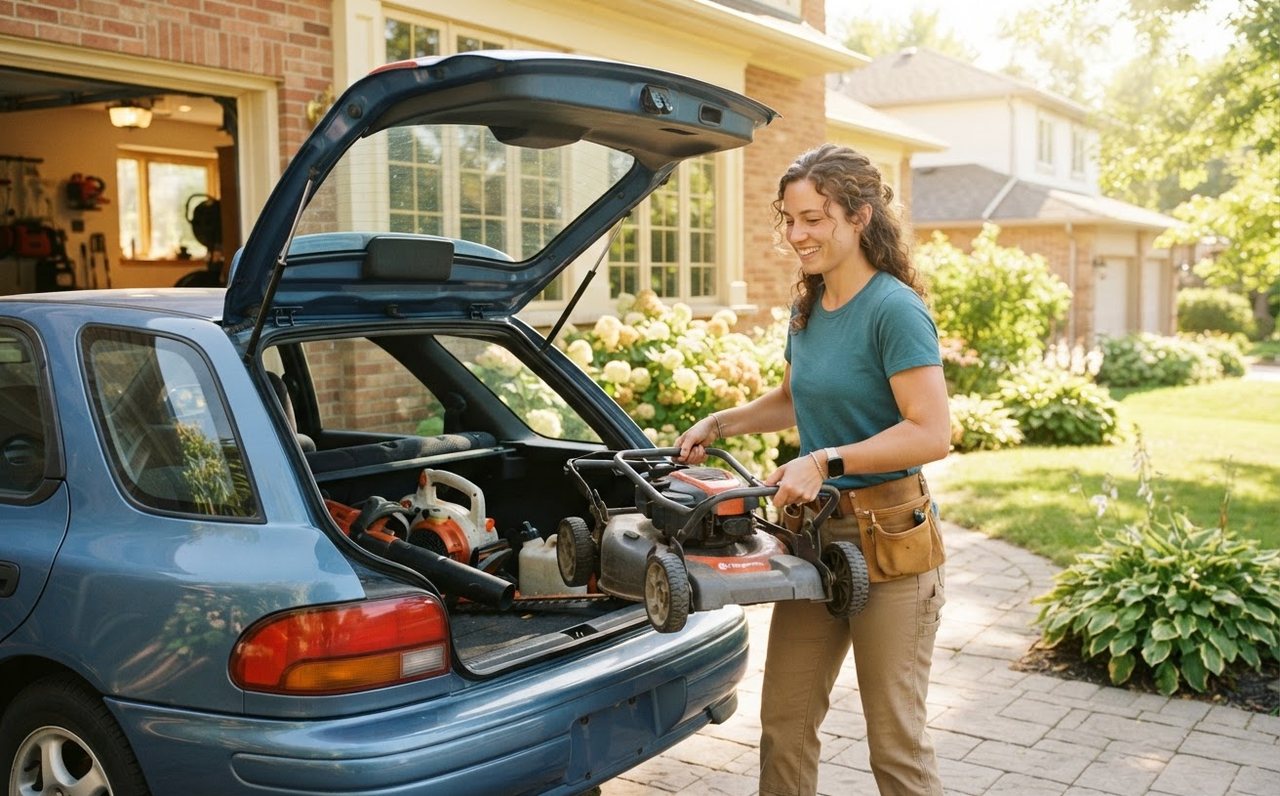
With housing, food and other essentials still putting pressure on household budgets, extra income is not about chasing a flashy hustle. It can be as simple as helping neighbours with jobs they keep putting off.
ABS figures released in August 2026 showed annual CPI inflation at 3.5% to July, with housing up 5.0% and food up 3.2%. Finder says about 52% of Australians spend their pay before the next payday. That is why a modest, repeatable Saturday service can matter: an extra $150 to $400 a week can create breathing room without requiring a new qualification or a huge upfront investment.
Lawn care is an obvious starting point, but it is not the only one. The best option is usually the work you can safely do, already understand and can describe clearly in one sentence.


Pick one simple service first
Start with a narrow offer. “I do any odd job” sounds flexible, but customers do not know what to expect and you can easily take on work beyond your tools, skills or legal permissions.
Better offers include:
- fortnightly lawn mowing and edging for small to medium yards
- garden weeding, pruning and green-waste tidy-ups
- driveway, patio and outdoor-furniture pressure washing
- flat-pack furniture assembly
- rubbish removal using a trailer or hired ute
- basic painting preparation, such as filling minor holes and sanding
- moving help, garage clear-outs or end-of-lease garden tidy-ups
Avoid electrical, plumbing, gas, structural building work, asbestos removal and any other work that needs a licence unless you are properly qualified and licensed. Check your state or territory rules, local council requirements and strata rules where relevant. If you are unsure, do not promise the job.
Lawn work has an advantage: it can become recurring income. A customer who books a $65 mow every fortnight for six months is worth about $845 in revenue before costs. Ten similar regular customers could produce around $650 on a busy Saturday every second week.


Work out a lean startup budget
Use what you have before buying shiny gear. If you already own a mower, whipper snipper and a way to transport them, you may be able to start for under $150 on fuel, safety gear, flyers and basic consumables.
A realistic lawn-care setup from scratch might look like this:
| Item | Low-cost estimate | |---|---:| | Second-hand mower | $250 | | Whipper snipper/edger | $120 | | Gloves, eye and ear protection | $70 | | Fuel, line, bags and small supplies | $80 | | Simple public liability cover | $250+ | | Flyers or local online advertising | $50 | | Approximate starting total | $820+ |
Costs vary widely, especially insurance and equipment. Buy second-hand tools carefully, test them before paying, and keep receipts. A pressure washer or trailer can be profitable later, but do not finance equipment for work you have not yet won.
Insurance deserves special attention. A broken window, damaged car or injury can cost far more than your first few jobs earn. Talk to an insurer or broker about public liability cover suited to the services you actually provide.

Price the job, not just the hour
New operators often underprice because they compare their rate to their wage. But a customer price needs to cover travel, fuel, equipment wear, tax, administration, insurance and the time spent quoting.
For a straightforward small lawn, you might charge a minimum call-out of $50 to $60, then quote $65 to $90 for mow, edge and blow depending on size, grass height, access and green-waste removal. For garden tidy-ups, consider an hourly rate plus disposal, or a fixed quote after seeing photos.
Here is a simple Saturday example:
- Four regular lawns at $70 each: $280
- One larger overgrown lawn at $120: $120
- Fuel, tip fees and supplies: minus $45
- Estimated cash left before tax and insurance allocation: $355
That is not all profit, and it is not guaranteed every week. Still, if you averaged $250 a Saturday for 40 Saturdays, you would bring in $10,000 before tax and business costs. Used deliberately, that could clear a high-interest card balance, build an emergency fund or reduce financial stress.
Australian card rates average about 20.99% p.a. according to RBA data cited in the 2026 fact sheet. On a $3,635 balance—the average cited by Money.com.au—interest can keep the debt hanging around. Directing even part of side income to that balance can be more valuable than spending it immediately.

Get your first ten customers without pretending to be a brand
Your first jobs usually come from proximity and trust, not a perfect website. Make it easy for people to understand what you do, where you work and how to contact you.
Try this practical sequence:
- Take clear before-and-after photos of your own yard or a friend’s yard, with permission.
- Write a short local post: service, suburbs, availability, starting price and contact method.
- Post in neighbourhood Facebook groups, community boards and local marketplace listings where allowed.
- Put simple flyers in nearby letterboxes only where legal, and ask friends to share them.
- Offer a clear first-job quote, not an unrealistically cheap “special”.
- Arrive when you say you will, send a message if delayed and leave the area tidy.
- Ask happy customers for a short review and permission to use a photo.
- Before leaving, offer the next recurring booking: “Would fortnightly on Saturday mornings suit?”
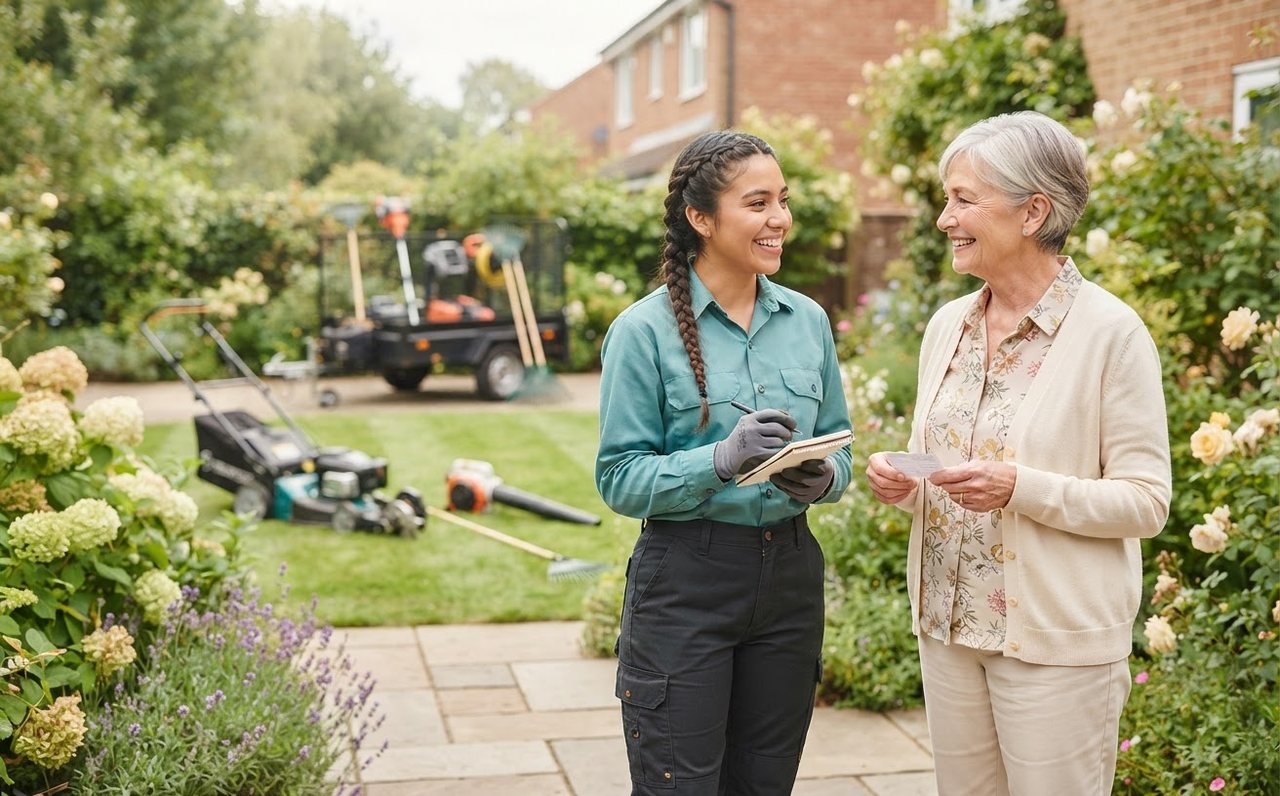
An illustrative example: Sam works weekdays and starts with two lawns for relatives, then posts photos in a local group. After five Saturday jobs completed reliably, one customer refers a neighbour and another books fortnightly. Within two months, Sam has eight recurring lawns and uses one Saturday a month for bigger clean-up jobs. The result is not instant wealth; it is a predictable extra stream built on showing up.
Keep the money organised from day one
Open a separate bank account if you can. Put every payment into it and pay every work expense from it. Keep a basic spreadsheet with date, customer, amount, mileage, supplies and tax set-aside. Check whether you need an ABN, how GST registration thresholds work, and your tax obligations through the ATO or an accountant.
Set aside a portion of each payment for tax rather than treating the full amount as spendable. Also reserve money for mower repairs and quiet weeks. A side business becomes useful when it makes your household finances steadier, not more chaotic.
You do not need a massive following, a business loan or a perfect logo to begin. Choose a safe job, quote honestly, do reliable work and use the first earnings with purpose. One well-run Saturday at a time can build skills, confidence and a little more room in your budget.
This article is general information only and not personal financial advice.